We've upgraded AI Search on TaxTMI with two powerful modes:
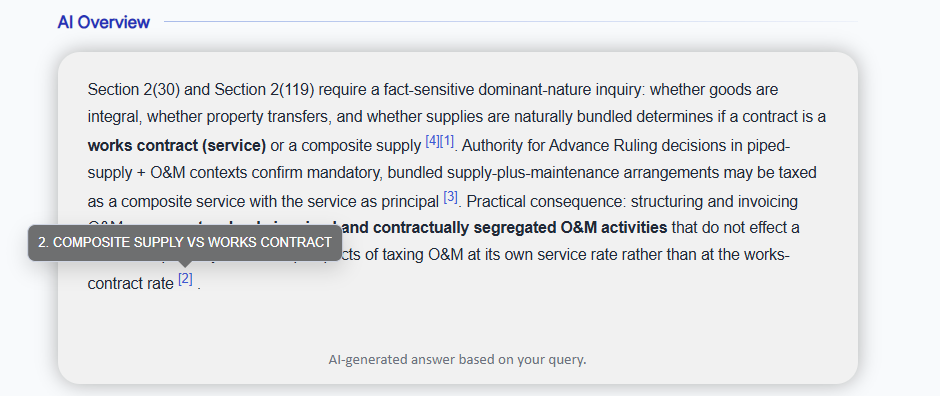
1. Basic • Quick overview summary answering your query with references• Category-wise results to explore all relevant documents on TaxTMI
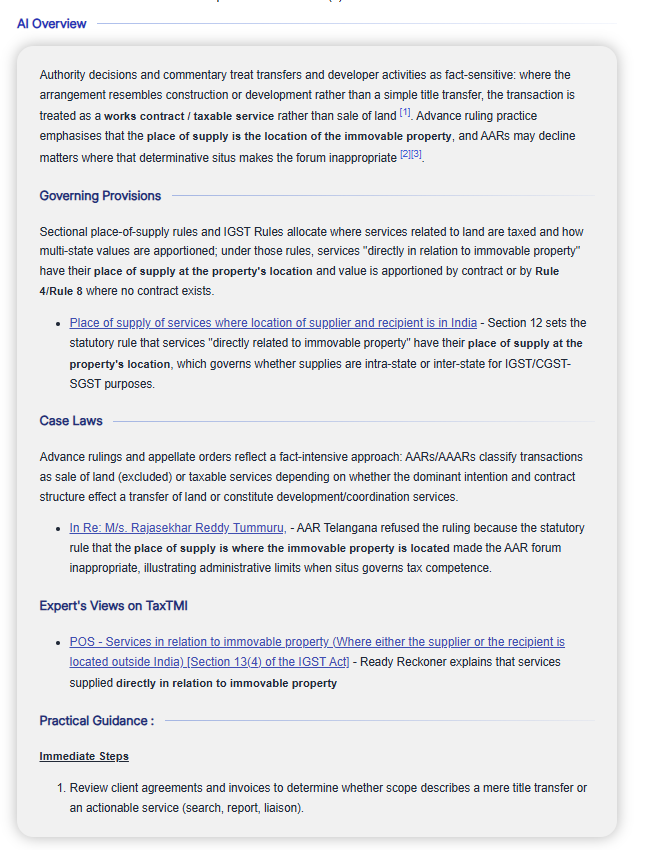
2. Advanced • Includes everything in Basic • Detailed report covering: - Overview Summary - Governing Provisions [Acts, Notifications, Circulars] - Relevant Case Laws - Tariff / Classification / HSN - Expert views from TaxTMI - Practical Guidance with immediate steps and dispute strategy
• Also highlights how each document is relevant to your query, helping you quickly understand key insights without reading the full text.Help Us Improve - by giving the rating with each AI Result:
Cases where this provision is explicitly mentioned in the judgment/order text; may not be exhaustive. To view the complete list of cases mentioning this section, Click here.
Provisions expressly mentioned in the judgment/order text.
<h1>Tribunal clarifies tax treatment of agricultural land under Income Tax Act</h1> The Tribunal held that the provisions of Section 56(2)(vii)(b) of the Income Tax Act do not apply to agricultural land unless it qualifies as a capital ... Deeming provision under section 56(2)(vii)(b) - Definition of 'property' as capital asset in Explanation to section 56(2)(vii) - Interpretation of 'immovable property' vis-a -vis 'capital asset' - Reference to Valuation Officer under section 50C for disputed stamp duty valueDeeming provision under section 56(2)(vii)(b) - Definition of 'property' as capital asset in Explanation to section 56(2)(vii) - Interpretation of 'immovable property' vis-a -vis 'capital asset' - Whether the deeming charge under section 56(2)(vii)(b) applies to immovable agricultural land which is not a capital asset - HELD THAT: - The Tribunal construed section 56(2)(vii)(b) together with the Explanation thereto and held that the term 'property' in the Explanation is expressly defined as the specified capital assets of the assessee (including immovable property being land or building or both). Accordingly, where an immovable property is not a capital asset within the meaning of the definition, the deeming provisions of section 56(2)(vii)(b) cannot be invoked to tax the difference between stamp duty value and consideration as income from other sources. The Tribunal accepted the assessee's contention that the agricultural land purchased must be examined against the definition of capital asset in section 2(14) and that agricultural land excluded by that definition would not fall within the scope of section 56(2)(vii)(b). [Paras 19, 20]If the agricultural land does not qualify as a capital asset, the addition under section 56(2)(vii)(b) cannot be sustained and the assessee is entitled to relief.Reference to Valuation Officer under section 50C for disputed stamp duty value - Deeming provision under section 56(2)(vii)(b) - Procedure to be followed where the agricultural land is found to be a capital asset and the stamp duty value is disputed by the assessee - HELD THAT: - The Tribunal observed that where the Assessing Officer determines that the acquired agricultural land does fall within the definition of capital asset, the provisions of section 56(2)(vii)(b) would then become applicable. In that eventuality, because the assessee had objected to the stamp duty (DLC) valuation during assessment, the Assessing Officer is required to refer the valuation dispute to the Valuation Officer in terms of the mechanism applicable under section 50C and related provisions so as to determine the fair market value before computing any tax under section 56(2)(vii)(b). The Tribunal found that the AO had not considered the assessee's objection to the DLC value and accordingly directed further action. [Paras 21, 22]If the AO finds the land to be a capital asset, he must refer the disputed stamp duty valuation to the Valuation Officer and decide the matter afresh after giving the assessee a reasonable opportunity.Final Conclusion: The Tribunal set aside the matter to the Assessing Officer for the limited purposes of first determining whether the two plots of agricultural land qualify as capital assets; if not, the addition under section 56(2)(vii)(b) shall be disallowed, and if so, the AO shall refer the disputed stamp duty valuation to the Valuation Officer and decide the issue afresh after affording opportunity to the assessee; appeal allowed for statistical purposes. Issues Involved:1. Applicability of Section 56(2)(vii)(b) to agricultural land.2. Determination of whether the agricultural land qualifies as a capital asset under Section 2(14).3. Requirement to refer the matter to the District Valuation Officer (DVO) for fair market value determination when the assessee disputes the stamp duty value.Issue-wise Detailed Analysis:1. Applicability of Section 56(2)(vii)(b) to Agricultural Land:The primary issue is whether the provisions of Section 56(2)(vii)(b) of the Income Tax Act, 1961, apply to the agricultural land purchased by the assessee. The assessee argued that the agricultural land is not a capital asset and hence, should not be subjected to the provisions of Section 56(2)(vii)(b). The Revenue contended that the term 'any immovable property' in Section 56(2)(vii)(b) includes agricultural land.The Tribunal examined the provisions of Section 56(2)(vii)(b) and noted that it refers to 'any immovable property.' However, the term 'property' is defined in Explanation (d) to Section 56(2)(vii) to mean 'capital asset' of the assessee. The Tribunal agreed with the assessee's contention that only immovable properties held as capital assets are covered under Section 56(2)(vii)(b). Therefore, if the agricultural land does not qualify as a capital asset, the provisions of Section 56(2)(vii)(b) cannot be invoked.2. Determination of Whether the Agricultural Land Qualifies as a Capital Asset Under Section 2(14):The Tribunal emphasized the need to determine whether the agricultural land in question falls within the definition of a capital asset as per Section 2(14) of the Income Tax Act. Section 2(14) excludes agricultural land in India from the definition of a capital asset, subject to certain exceptions. The Tribunal noted that the lower authorities did not make any findings regarding whether the agricultural land qualifies as a capital asset.The Tribunal set aside the matter to the Assessing Officer (AO) to examine whether the two plots of agricultural land acquired by the assessee fall within the definition of a capital asset. If the AO determines that the agricultural land does not qualify as a capital asset, the difference between the stamp duty value and the sale consideration cannot be taxed under Section 56(2)(vii)(b).3. Requirement to Refer the Matter to the DVO for Fair Market Value Determination:The assessee objected to the stamp duty value adopted by the AO and argued that the matter should have been referred to the DVO for determining the fair market value. The Tribunal noted that during the assessment proceedings, the assessee was issued a show-cause notice regarding the addition under Section 56(2)(vii). The assessee responded that the provisions of Section 56(2)(vii) should not apply as the purchase was made before the effective date.The Tribunal found that the AO did not address the assessee's objection regarding the adoption of the stamp duty value. According to Section 50C(2), which is relevant for Section 56(2)(vii)(b)(ii), if the assessee disputes the stamp duty valuation, the AO should refer the matter to the DVO. Therefore, if the AO determines that the agricultural land qualifies as a capital asset, the AO must refer the matter to the DVO to determine the fair market value of the two plots of agricultural land and then decide the matter afresh.Conclusion:The Tribunal set aside the matter to the AO to determine whether the agricultural land qualifies as a capital asset. If it is determined to be a capital asset, the AO must refer the matter to the DVO for fair market value determination. The appeal was allowed for statistical purposes, and the AO was directed to provide a reasonable opportunity to the assessee before making a final decision.
 TaxTMI
  • Category-wise results to explore all relevant documents on TaxTMI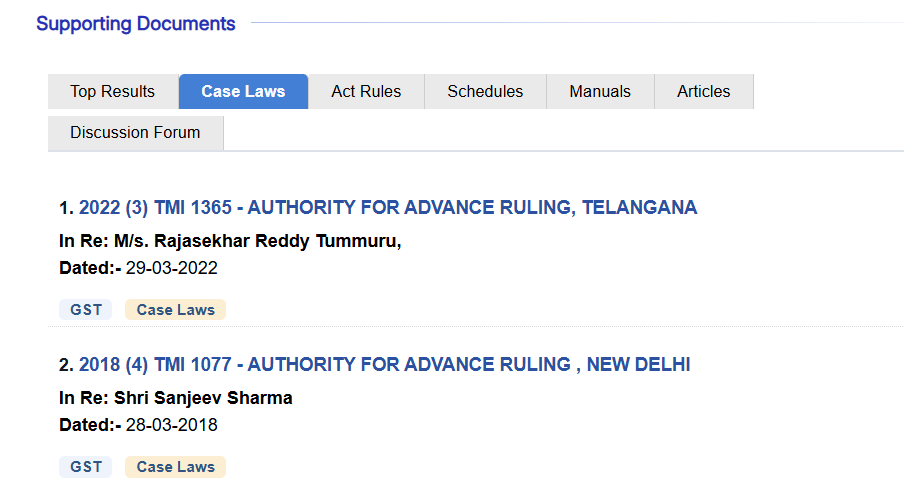
 Help Us Improve - by giving the rating with each AI Result:
 TaxTMI
 TaxTMI


